One Product. Multiple Construction Applications.

Bond & Seal is a versatile water-based bonding, sealing and waterproofing agent developed to perform across a wide range of construction and surface-preparation applications.

The product cures transparent and leaves a slight sheen on the surface. It can be overcoated with approved paints and waterproofing agents and functions as a waterproofing primer for mortar, plaster and concrete.

Bond & Seal can be used to seal Cretestone and raw plaster before painting, as a primer for plastered surfaces and Fibaseal, and in cementitious waterproofing systems incorporating waterproofing membrane. It can also be mixed with cement to form a slurry for sealing cracks.

Key Features

Water based
Multipurpose bonding agent
Waterproofing primer
Transparent when cured
Slight surface sheen
Suitable for mortar, plaster and concrete
Can be used with waterproofing membrane
Suitable for cementitious slurry applications
Can enhance paint flexibility and waterproofing qualities

Ideal Applications

Mortar
Plaster
Concrete
Cretestone
Cementitious waterproofing slurry
Parapets
Roofs
Walls
Retaining walls
Fibaseal primer
Cracked sealing
Pre-paint preparation

HOW IT WORKS / APPLICATION

Bond & Seal can be used as supplied for bonding and priming, or mixed with cement to form a cementitious slurry.

SUITABLE SURFACES

Mortar, plaster, concrete, masonry and other suitable prepared substrates.

Bond & Seal mixed with cement to form a slurry is used to seal cracks and as an admixture for plaster to waterproof the plaster.

Lightweight polystyrene concrete before it is overcoated with

Bond & Seal and Pro Building Product’s waterproofing membrane incorporating cement as a slurry.

A shower waterproofed in Bond & Seal and cement slurry.

A box gutter which has been relined using Bond & Seal and cement incorporating Pro Building Product’s waterproofing membrane.

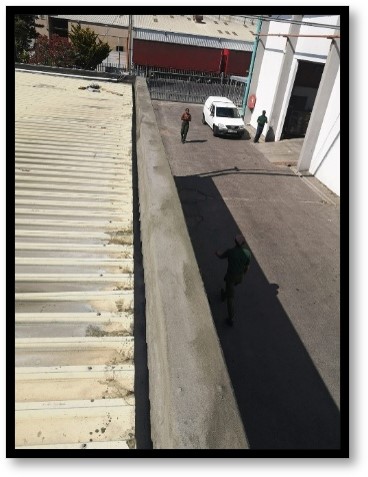
Parapet with Bond & Seal and Pro Building Product’s waterproofing membrane.

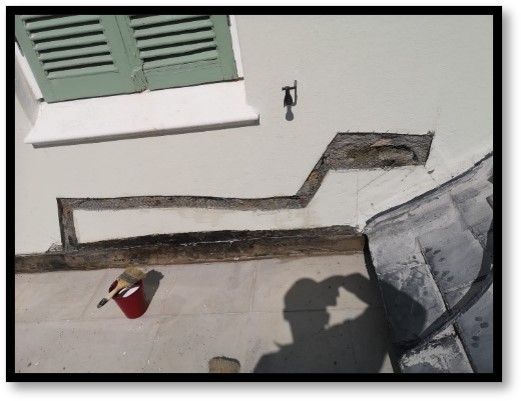
Bond & Seal as a slurry incorporating Pro Building Product’s waterproofing membrane applied over existing torch-on to waterproof a timber flat roof.

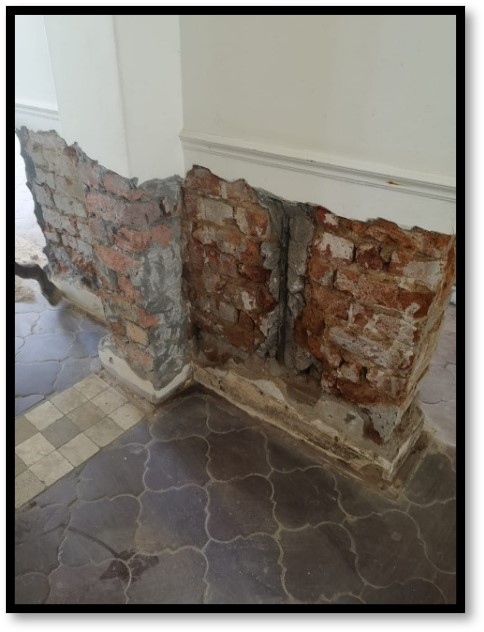
Bond & Seal used to bind crumbling and porous aged brickwork prior to waterproofing systems.

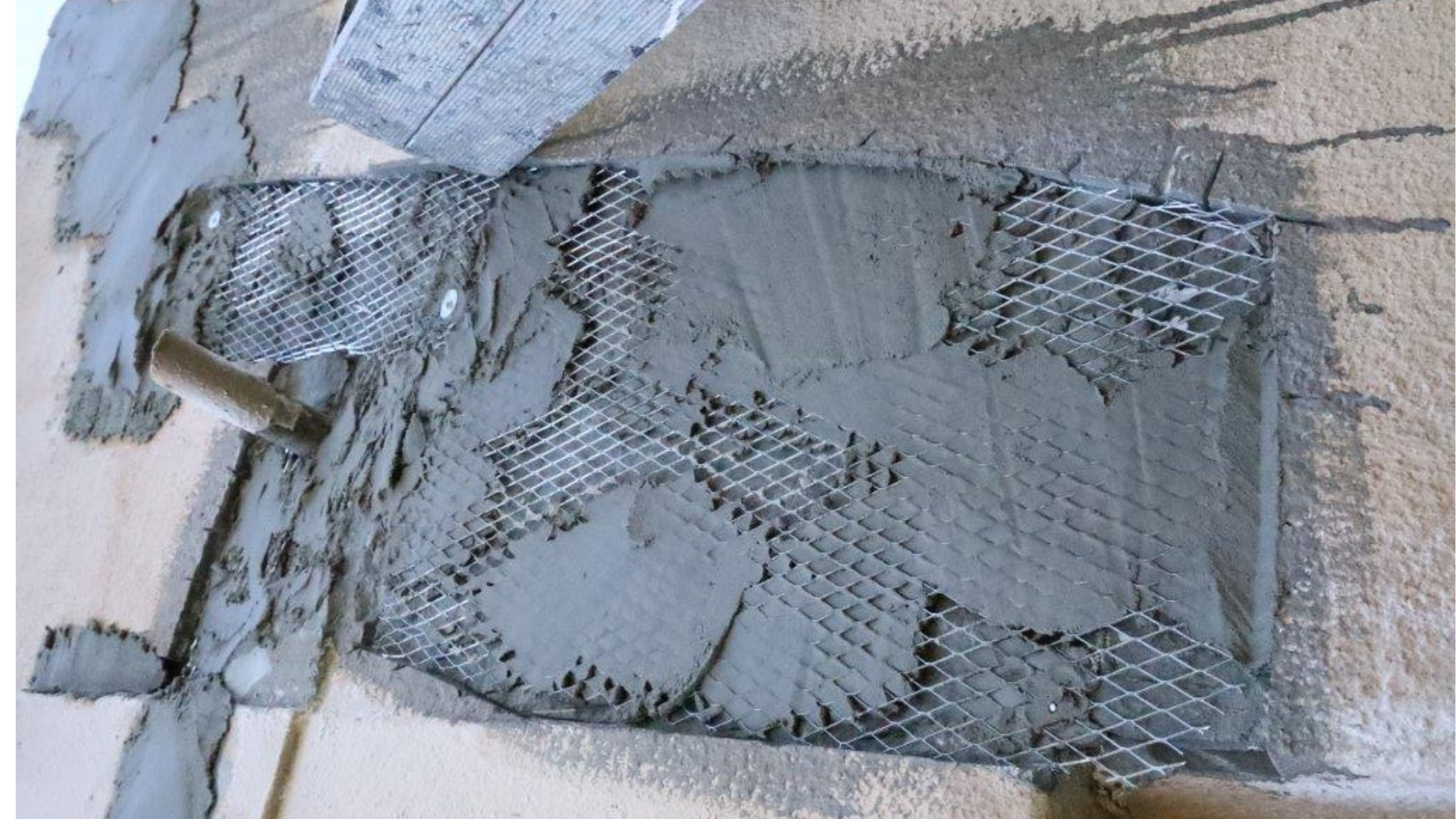
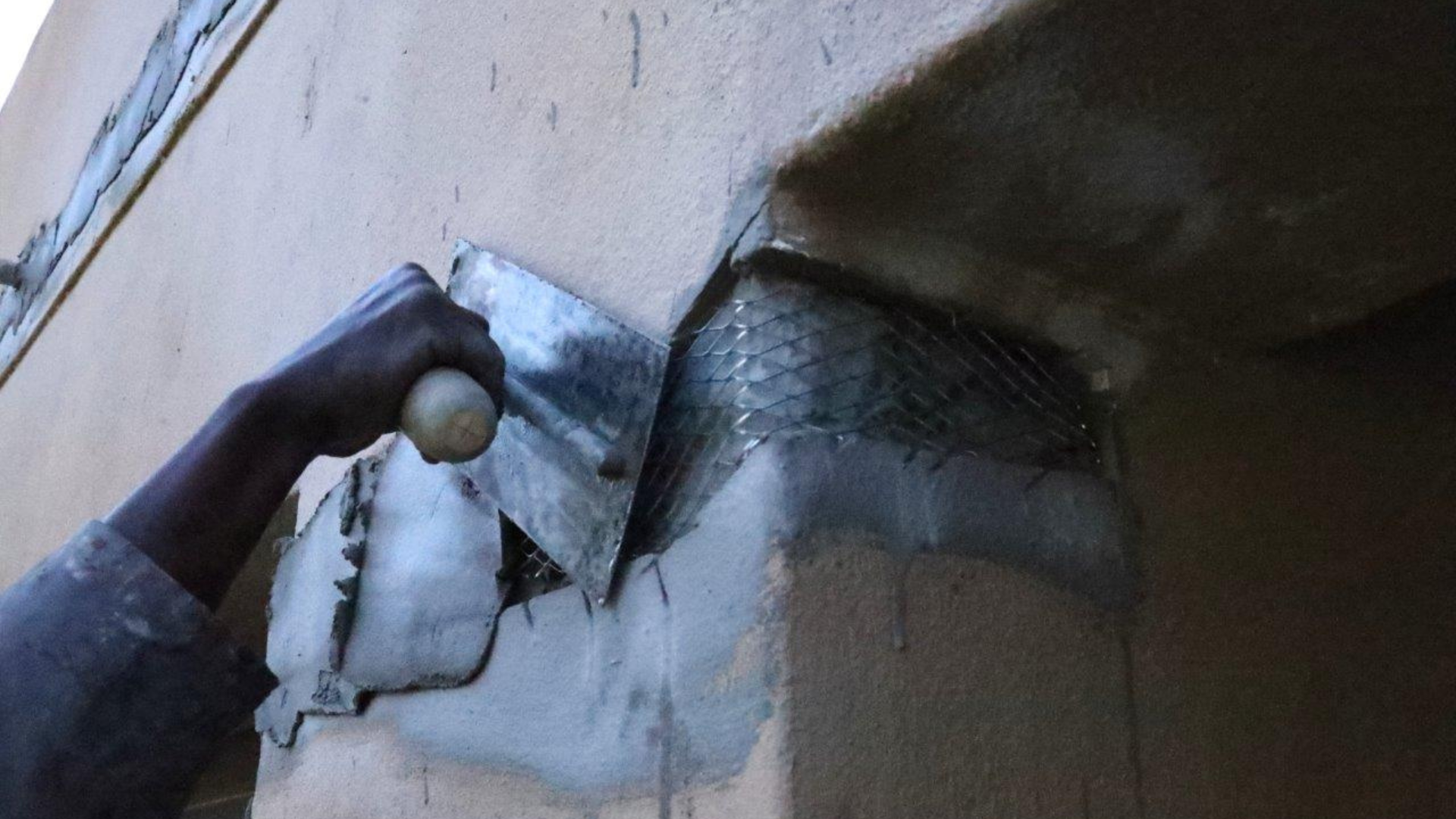
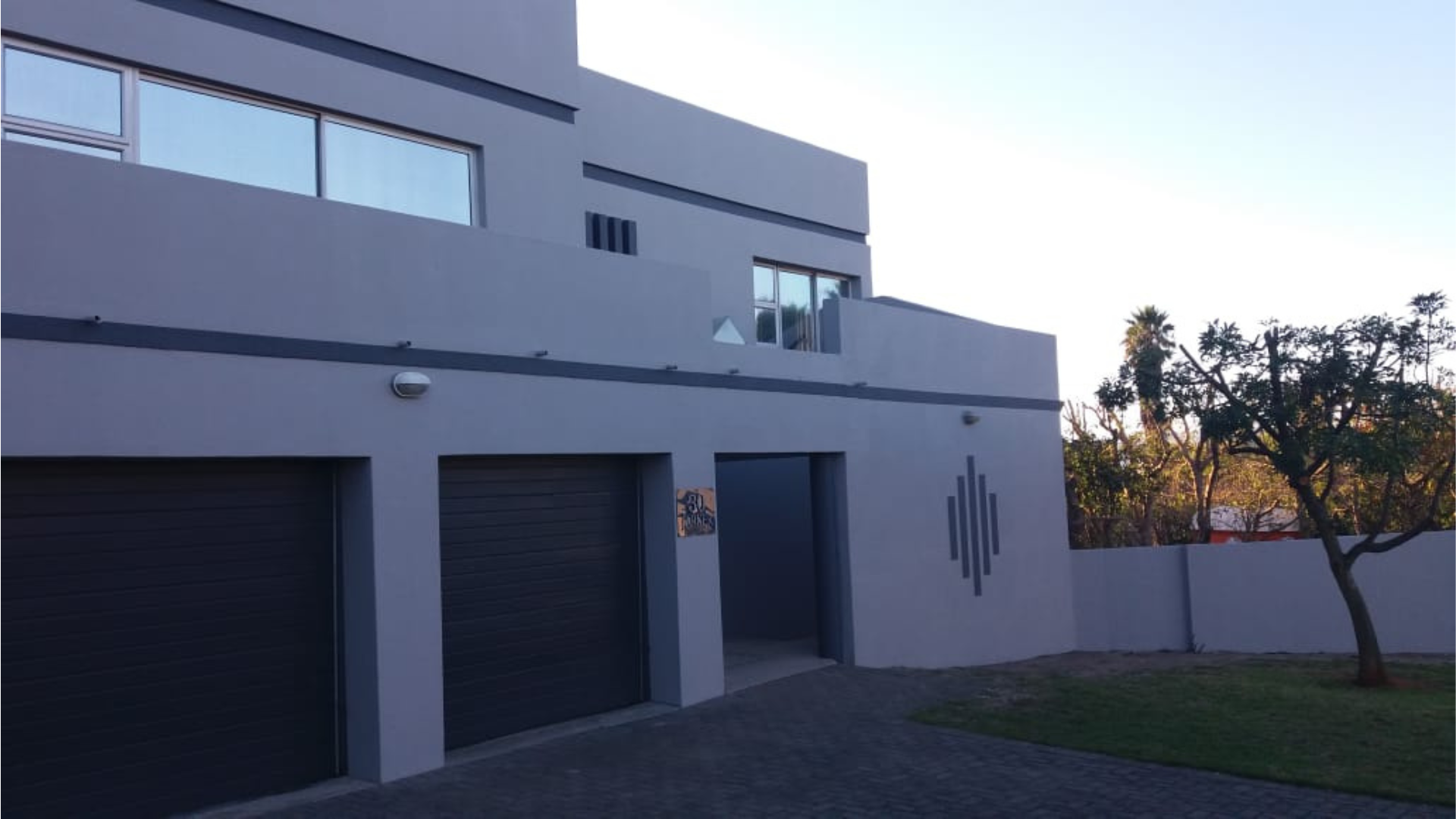
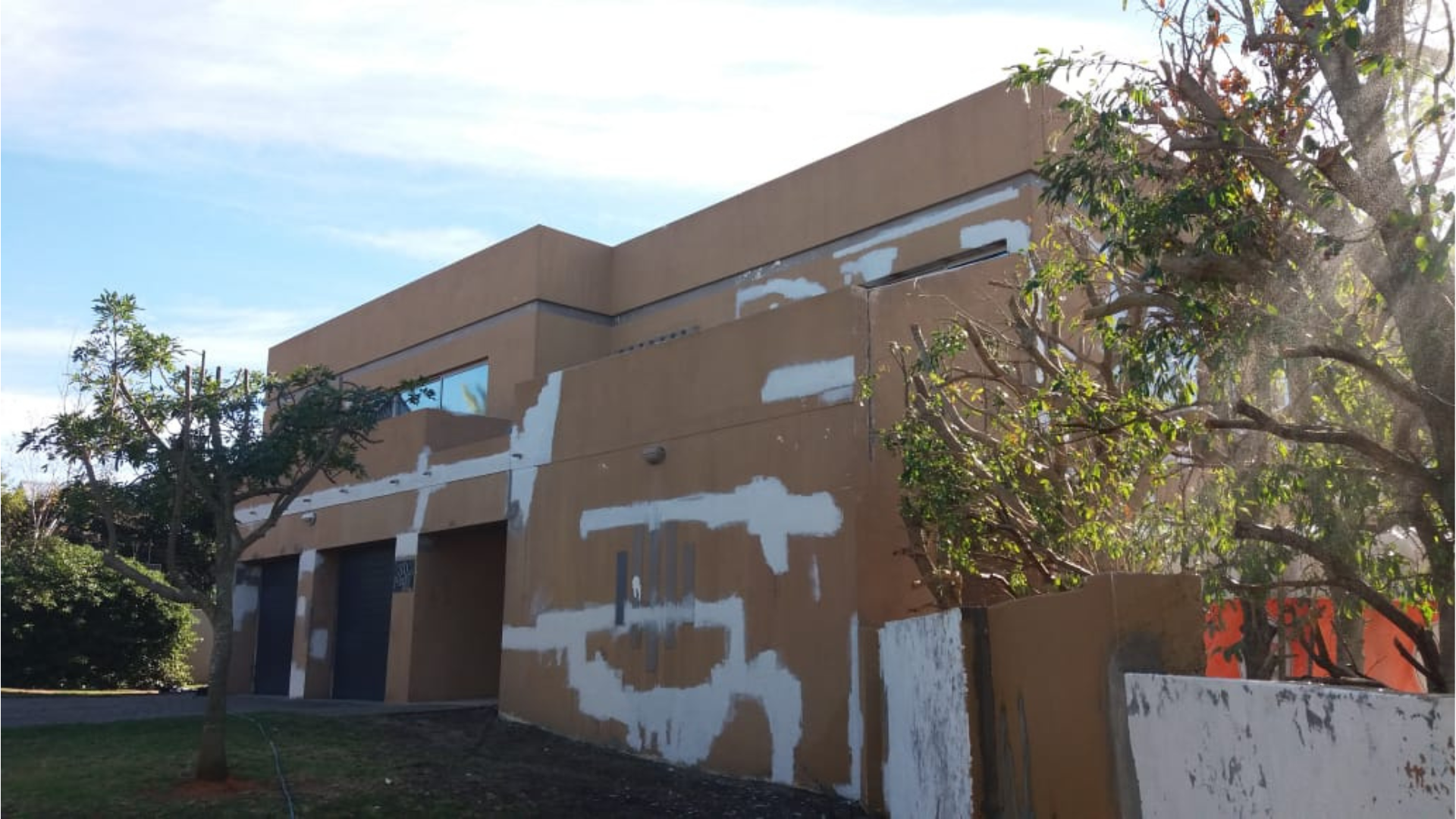
Cracks in walls opened up and treated with Bond & Seal slurry and Bond & Seal plaster incorporating galvanised mesh.

APPLICATION METHOD OF BOND & SEAL SLURRY:


1.
Clean the surface which is to be treated with wire brushes or high-pressure water to ensure all loose debris is removed.
2.
Use our General Purpose Primer (as is) for the first coat and in the opened cracks.
3.
Where there are cracks in the surface, open up as much as possible and fill with a mixture of 100% Bond & Seal and standard cement dust (preferably PPC).
4.
Smooth off level with the surface.
5.
Over the joints or cracks, use a polypropylene membrane (not the grey biddum cloth used for agricultural drains, as this is polyester and the concrete has a negative reaction causing it to deteriorate in strength).
6.
Mix a mixture of 50% water and 50% Bond & Seal with cement dust to make a paintable slurry (not too thick but the consistency of a good quality paint).
7.
Soak the membrane strips in the slurry mix and apply over the cracks, it is recommended that the membrane strips be approximately 100mm wide.
8.
Work the soaked membrane onto the surface with a paint brush and allow to cure.
9.
The concrete surface with no cracks does not require membrane.
10.
First coat over the whole slab after the cracks are fixed with the 50% water and 50% Bond & Seal mixed with cement, apply with a block brush, a nice even thick coat.
11.
Allow to cure for 24 hours.
12.
Apply a final coat of 100% Bond & Seal (no water) with cement to form a paintable slurry for the final coat.
Notes:
If the climate is warm, it’s best to do the membrane repairs in small areas rather than large areas, due to the fact the slurry will start to thicken quite quickly in the heat.
If the slurry starts to thicken, add more of the liquid (either the 100% Bond & Seal or the 50/50% water Bond &Seal mix), depending on the coat being applied.
Tile adhesive is a good combination with Bond & Seal as it increases flexibility and has waterproofing properties in it and is completely compatible.
Coverage:
Depending on the surface being treated, coverage will vary.
1.
As a primer: 50/50 with water, estimated coverage 4sq/m per litre/kilogram.
2.
As a second coating incorporating membrane and mixing the Bond & Seal water mix with cement to form a slurry: estimated coverage of 2sq/m per litre/kilogram.
3.
As a final coat (100% Bond & Seal and cement powder mixed): estimated coverage would be about 3sq/m per litre/kilogram.
The more Bond & Seal in ratio that you use with water, the more flexible and more waterproof the covering will be, adding water hardens the slurry and is recommended as a base coat.


METHOD OF APPLICATION OF BOND & SEAL ON PLYWOOD DECK OR WALL INCORPORATING CEMENT AND POLYPROPYLENE MEMBRANE:


1.
Ensure the plywood is free of all loose material and foreign matter and is clean and smooth.
2.
Apply Pro Building Product’s General Purpose Primer liberally to the entire surface, allow to dry clear.
3.
As soon as it has dried clear, apply 1 coat – 2 Bond & Seal mixed with 1 part water mixed with cement to a workable slurry the same viscosity as a high-quality paint.
4.
Paint onto the surface and lay the polypropylene membrane while still wet.
5.
Work the slurry mixture through the polypropylene membrane and coat the top of the membrane with the same mixture.
6.
Allow to cure over 24 hours.
7.
As a top coat, apply Bond & Seal neat without water, mixed with cement to a workable slurry the same viscosity as a high-quality paint.
8.
Paint over the membrane of the entire area covering approximately 2 sq/m per kilogram.
9.
Allow to set for 24 hours.
10.
A third coat is not necessary in most cases but is recommended due to some plywood structures having movement.
Notes:
If the climate is warm, it’s best to do the membrane repairs in small areas rather than large areas, due to the fact the slurry will start to thicken quite quickly in the heat.
If the slurry starts to thicken, add more of the liquid (100% Bond & Seal).
Tile adhesive is a good combination with Bond & Seal as it increases flexibility and has waterproofing properties in it and is completely compatible.